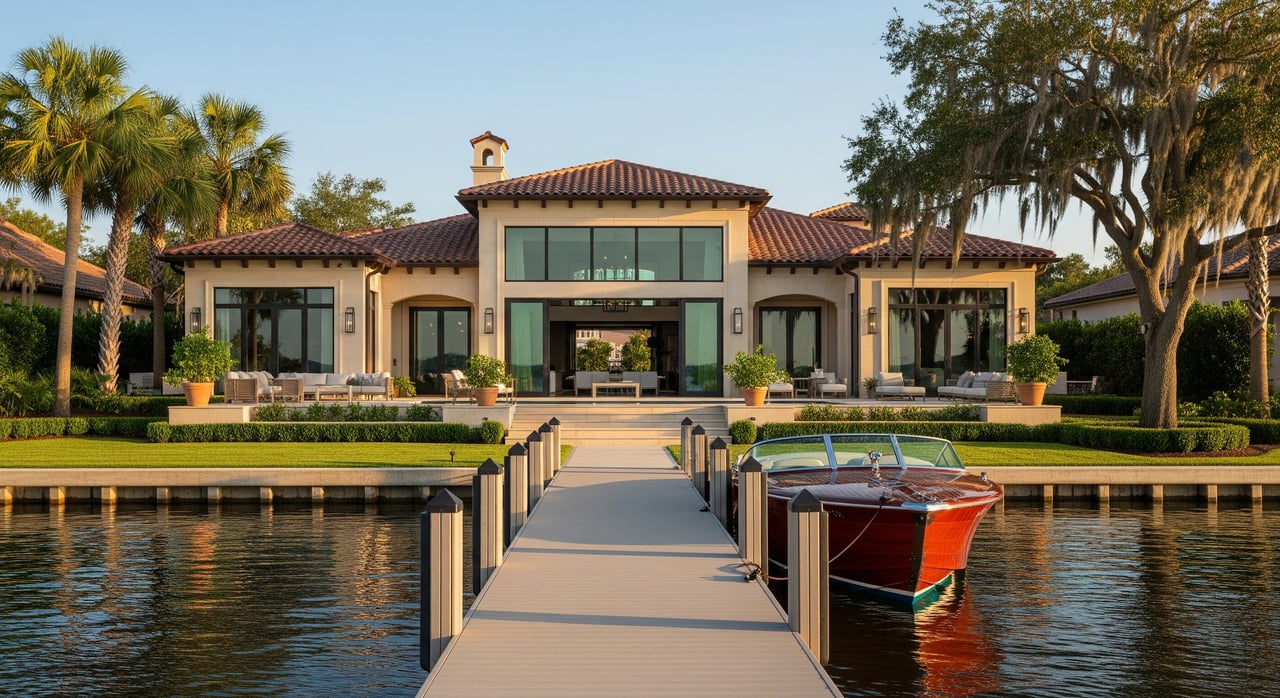
Picture yourself stepping onto a quiet dock at sunrise, coffee in hand, as the water on the Conway Chain settles into a glassy calm. If you are weighing a move to Belle Isle or 32812, this is the rhythm many neighbors enjoy. At the same time, lakefront life comes with rules, maintenance, and smart planning. This guide walks you through the lifestyle, the practical trade-offs, and the key steps to buy or sell with confidence on the Conway Chain of Lakes. Let’s dive in.
Conway Chain at a glance
The Conway Chain of Lakes shapes daily life in Belle Isle. It is a connected system of freshwater lakes with shallow to moderate depths, used for boating, paddling, fishing, and lakeside relaxation. Neighborhoods curve around the shoreline, from established lakefront streets to inland blocks a short walk or drive from the water. You also stay close to core Orlando conveniences and commuter routes.
You will find a mix of original mid-century homes, renovated lake houses, and newer infill construction on prized lots. Many lakefront properties include private docks and seawalls. Inland homes often trade direct water access for lower maintenance and cost, while still keeping the lake lifestyle within easy reach.
Everyday life on the water
On a typical week, you might launch a kayak before work, take a sunset cruise, or host friends for dockside snacks. Residents use private docks, community ramps, and public shoreline parks to get on the water. Expect seasonal changes in water clarity and plant growth, along with days when wake sports pick up across the chain. The social scene leans casual, with neighbors gathering at docks or heading out together to fish and explore.
Practical routines include seawall checks, dock upkeep, and managing shoreline vegetation. Lakeside humidity can influence home systems and materials, so regular maintenance pays off. The reward is a relaxed, outdoor-forward lifestyle with quick urban access when you need it.
Boating and access options
Private docks and boat houses
Many lakefront lots feature private docks and, in some cases, boat houses. Ownership and construction typically require permits and compliance with city, county, and state rules. You will want to verify recorded ownership, permitted dimensions, and any easements that affect how you use the structure.
Public and community ramps
For non-dock owners, public or community boat ramps are valuable. Availability and rules vary by location, and some ramps serve multiple neighborhoods. Check hours, parking, and any restrictions before planning a regular routine, especially during busy weekends.
Safety and boating norms
Plan on following state boating laws for registration, life jackets, operator requirements, and speed in designated zones. Local rules may add no-wake areas, speed limits, and buoy placements to protect shorelines and improve safety. Expect busier channels during peak times and give extra space around docks and swimmers.
Parks and shoreline spaces
Belle Isle and neighboring jurisdictions maintain lakeside parks and green spaces where you can picnic, fish from shore, or launch non-motorized craft. Amenities vary, so it helps to visit in person to see parking, restrooms, shade, and water access. For many residents, these parks provide a low-maintenance way to enjoy the lake lifestyle without a private dock.
Homes and neighborhoods around the chain
Lakefront homes
Lakefront single-family homes often come with private docks and seawalls. Expect a price premium and slower inventory turnover compared to inland homes. Dock orientation, water depth at the slip, seawall condition, and exposure to boat traffic can affect daily enjoyment and long-term costs.
Near-the-lake options
If you want easy access without full lakefront responsibilities, consider inland homes or townhomes within a short walk or drive. You can use local parks or ramps and still enjoy views from public spaces. These homes often have more predictable maintenance and insurance costs.
What to verify in any listing
- Dock ownership and recorded easements
- Seawall condition and age
- Shoreline vegetation responsibilities and permitted control methods
- Utilities setup, including connection to municipal water and sewer or use of septic
- Flood risk and elevation relative to FEMA base flood elevation
- Any HOA or neighborhood rules that affect boats, docks, or rentals
Rules and permits that shape lakefront living
Boating laws and local rules
State boating regulations cover registration, operator requirements, safety equipment, and impaired operation. Local rules may add no-wake zones, speed limits, transient docking restrictions, and buoy placement. Before you operate a new vessel on the chain, review both sets of rules and keep life jackets at the ready for all passengers.
Docks, seawalls, and shoreline permits
Construction, repair, or replacement of docks and seawalls usually requires permits from the city or county and can involve state coordination. These rules influence structure size, placement, materials, and how you manage aquatic vegetation. If you plan upgrades, build a timeline that includes permitting and possible inspections.
Flood risk and insurance
Many lakefront properties sit in areas with flood exposure. Review FEMA flood maps, order an elevation certificate if needed, and price flood insurance through the National Flood Insurance Program or private carriers. If you use a mortgage and the home is in a high-risk zone, the lender will typically require flood coverage. Even outside high-risk zones, many owners choose a policy for added protection.
Environmental and water quality
Like many Florida lakes, the Conway Chain can experience algal blooms, invasive plants, and changing water clarity. Local water-management and environmental agencies monitor conditions and conduct management work. Shoreline buffers, native landscaping, and erosion control can improve resilience and may be encouraged or required, depending on your lot and local rules.
Buyer due diligence checklist
Use this short checklist as you evaluate homes on or near the Conway Chain:
- Confirm exact lot boundaries, dock ownership, and recorded easements
- Check FEMA flood zone status and consider an elevation certificate
- Request dock and seawall permits, compliance documentation, and repair history
- Ask for recent service and maintenance records for the home and any boathouse
- Review recent lake management or water quality advisories
- Schedule a marine contractor to inspect the dock and seawall
- Add a termite and wood-destroying organism inspection for dock structures
- Complete a standard home inspection with attention to moisture, mold, HVAC corrosion, and waterfront electrical systems
- Obtain quotes for homeowner’s, wind, and flood insurance, plus boat and dock liability coverage
- Price out regular costs for seawall, dock, shoreline vegetation, and possible HOA fees
Seller prep for a smooth Belle Isle listing
If you are preparing to sell a lakefront or near-lake home, present a clear, organized package:
- Gather permits, dock and boathouse plans, and all maintenance records
- Photograph the seawall and dock in good light to show condition and access
- Note utilities and sewer connection status
- Outline nearby public access points and parks for buyers without a private dock
- Share commuting notes to downtown Orlando and major routes
- Stage outdoor living areas to highlight sunset views and boat-friendly spaces
Buyers appreciate transparency on flood zones, elevation, and insurance. A well-documented file shortens friction points during inspections and underwriting.
Costs to budget for
- Seawall upkeep and occasional repairs
- Dock maintenance, including decking, fasteners, and lifts
- Shoreline vegetation management and erosion control
- Homeowner’s, wind, and flood insurance
- Boat storage, fuel, and maintenance if applicable
- Possible HOA fees that may regulate boats, exteriors, and rentals
Costs vary by age of structures, exposure to wake, water levels, and material choices. A pre-offer inspection by a qualified marine contractor helps you plan realistic budgets.
Is the Conway Chain right for you?
If you want daily access to freshwater recreation with a small-city feel, the Conway Chain in Belle Isle is a strong match. You will balance quiet mornings and social dock culture with responsible maintenance and attention to rules. Inland homes near the water can deliver many of the same benefits with fewer direct waterfront responsibilities. The best fit comes from seeing how you plan to use the lake and what you want to invest in upkeep.
How we help at Limitless Vision Co.
You deserve a confident, locally informed process. As an Orlando-born local with Marine Corps roots, our lead agent brings disciplined execution and neighborhood knowledge to every decision. We represent buyers, sellers, and relocating clients across Greater Orlando, with a special focus on Belle Isle and the Conway Chain.
We pair high-touch guidance with modern tools, including an instant valuation experience for sellers and streamlined search support for buyers. If you are exploring lakefront or near-lake options in 32812, we will help you verify dock ownership, understand flood risk and insurance, and map your day-to-day lifestyle against real properties. To start a tailored plan or request a quick valuation, connect with James Tima.
FAQs
Can I own a private dock on the Conway Chain?
- Many lakefront lots include private docks, but ownership and construction typically require local permits and compliance with state and county rules; verify recorded title and permit history early.
Are the lakes safe for children and pets on Belle Isle?
- Safety depends on supervision, proximity to busy channels, and dock features like railings and ladders; many families use life jackets and keep young swimmers in defined, low-traffic areas.
Will I need flood insurance for a 32812 lakefront home?
- If your property sits in a FEMA high-risk flood zone and you have a mortgage, lenders usually require flood insurance; even outside high-risk zones, many owners choose coverage for peace of mind.
How much maintenance should I plan for on a lakefront home?
- Expect regular dock and seawall upkeep, shoreline vegetation management, and attention to moisture and corrosion on home systems; costs vary by structure age, materials, and wake exposure.
Are there limits on boat size or wake on the Conway Chain?
- State boating laws apply, and local rules may add size, engine, or wake limits and no-wake zones to protect shorelines and safety; review both before operating a vessel.